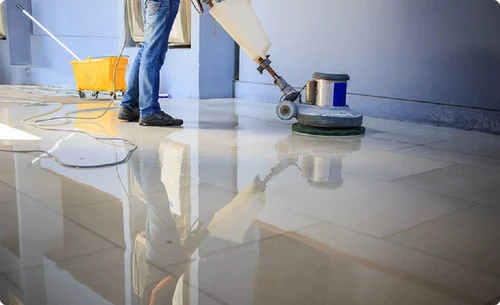


Warehouses and industrial facilities frequently handle large volumes of goods, making the presence of hazardous materials a significant safety and environmental concern. Developing a robust cleaning protocol tailored to the types of materials, facility size, and applicable regulations is essential to safeguard employees, ensure compliance, and prevent contamination
Signs That Deep Cleaning Is Needed
A. Recognizing when a space requires deep cleaning is essential for preventing health hazards.
B. Visible dirt and grime buildup
C. Lingering odors
D. Increased allergen presence
E. Pest infestations
1. Identify Hazardous Materials
Start by clearly identifying all hazardous substances stored in the warehouse, including chemicals and flammables. Gather Safety Data Sheets (SDS) for each material—containing first-aid instructions, handling guidelines, and firefighting procedures—and keep them easily accessible for all staff
2. Stock and Maintain PPE
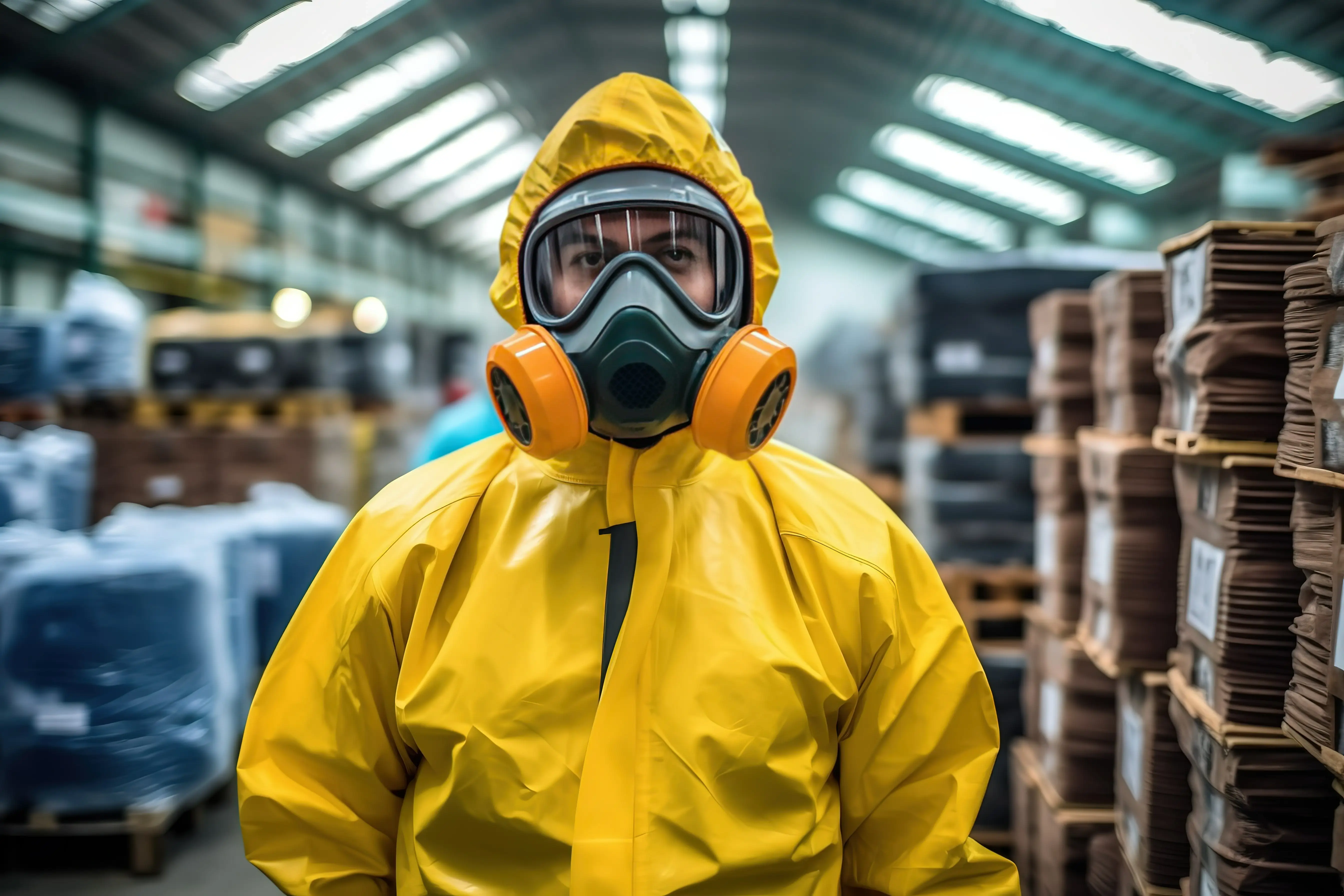
After reviewing the SDS, equip your team with the appropriate personal protective equipment: gloves, goggles, respirators, and coveralls. Regularly check inventory and condition of PPE to ensure readiness
3. Containment, Isolation & Ventilation
If a spill occurs, respond quickly by containing it using barriers, absorbents, or dikes. Ensure spill kits are strategically placed throughout the facility. Provide adequate ventilation—natural or mechanical—to clear harmful fumes and protect air quality
4. Cleanup & Decontamination
Use recommended absorbent materials and cleanup procedures based on the SDS. After removal, decontaminate the area with detergent and water, and verify no residual hazards remain .
5. Proper Disposal
Collect contaminated materials, PPE, and residues in sealed, labeled hazardous-waste containers. Ensure disposal is carried out by a licensed waste management provider in compliance with local regulations .
6. Reporting & Documentation
Document each incident thoroughly, including spill details, materials used, cleanup steps, disposal records, and any medical attention provided. Proper records are critical for regulatory compliance and continuous safety improvements
7. Emergency Response Plan
Incorporate the above steps into a clear emergency response plan. Define roles and responsibilities, outline PPE requirements and containment procedures, and schedule regular drills. Conduct annual reviews covering evacuation routes, spill protocols, and PPE use to maintain preparedness
Summary:
Effectively cleaning hazardous materials in a warehouse demands careful planning: identifying risks, stocking proper equipment, ensuring quick containment, executing thorough cleanup, disposing responsibly, and maintaining detailed documentation. Integrating these actions into a formal emergency plan ensures a safer workplace, regulatory compliance, and environmental protection.
Do you need warehouse cleaning services? First Cleaning Services professionals are experienced in cleaning warehouses and industrial spaces. When faced with a hazardous material spill, we know the proper protocol to protect staff and your facility. Find your location for a free quote.