Skip links
water tank cleaning service in dubai

How to Professionally Clean a Water Tank

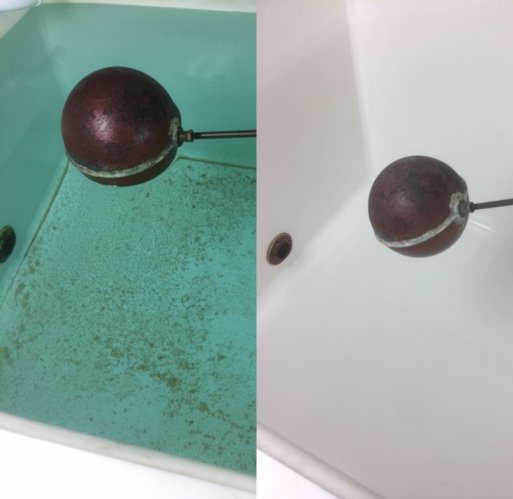
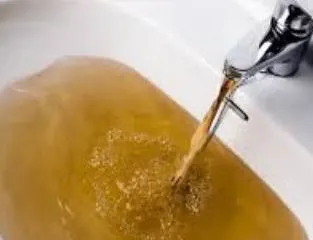
Water tank cleaning is essential for maintaining safe, clean, and potable water in residential, commercial, and industrial settings. Over time, water tanks can accumulate sediment, algae, bacteria, and other contaminants that compromise water quality and pose health risks.

Whether you’re a homeowner or a facility manager, understanding how to clean a water tank professionally ensures long-term hygiene and water safety. In this blog, we’ll walk you through a step-by-step guide to professional water tank cleaning, tools and products required, and best practices to ensure optimal results.

water tank cleaning service in dubai

Why Water Tank Cleaning Is Important

Before diving into the cleaning process, it’s important to understand why water tank cleaning is necessary:

Prevents waterborne diseases such as cholera, typhoid, and dysentery.

Improves water taste, smell, and appearance.

Extends the lifespan of the tank and plumbing system.

Complies with local health and safety regulations (especially in hotels, hospitals, and schools).

Step-by-Step Guide to Professional Water Tank Cleaning

1. Preparation and Safety Measures

Before beginning the cleaning process:

Turn off the water supply.

Ensure the tank is drained.

Use personal protective equipment (PPE): gloves, masks, and goggles.

Secure the area to avoid accidents or contamination.

2. Inspection of the Tank

Conduct a visual inspection for:

Cracks or leaks

Rust (in case of metal tanks)

Mold, algae, or pest presence

Document any damage and perform minor repairs if needed before cleaning.

3. Manual Sludge Removal

Remove sludge, dirt, and debris manually from the bottom of the tank using:

Buckets

Brushes

Wet/dry vacuum (if available)

This step helps eliminate the bulk of physical contaminants before chemical treatment.

4. High-Pressure Jet Cleaning

Use high-pressure water jets to scrub tank walls, ceilings, and floors. This process:

Removes biofilms

Dislodges stuck-on sediments

Reaches corners and curves efficiently

5. Disinfection and Sanitization

A crucial step in professional water tank cleaning:

Use Dubai Municipality-approved disinfectants

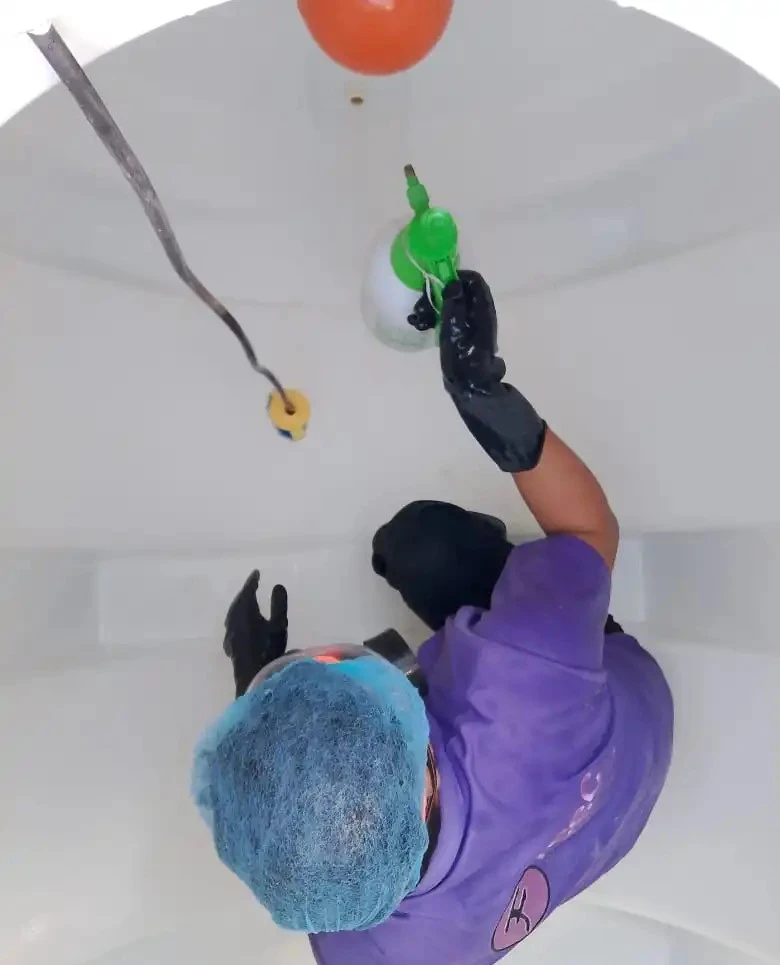
Apply the disinfectant evenly across all internal surfaces.

Let it sit for at least 30–60 minutes to ensure effective microbial kill.

6. Final Rinse and Drying

Rinse the tank thoroughly with clean water to remove any chemical residues. Then:

Allow the tank to air dry completely

Inspect for any remaining debris or residue

7. Refill and Post-Cleaning Checks

Once the tank is clean:

Refill with fresh water

Test water quality for pH, turbidity, and chlorine levels

Resume normal water supply

Tools and Equipment Needed

High-pressure jet machine

Submersible pump

Sludge removal tools (buckets, brushes, vacuum)

Safety gear (PPE)

Approved disinfectant chemicals

Water quality testing kits

How Often Should You Clean Your Water Tank?

Residential tanks: Every 6–12 months

Commercial/industrial tanks: Every 3–6 months

Hospitals, schools, and hotels: At least quarterly, or as per local health regulations
Final Thoughts

Professional water tank cleaning is more than just removing dirt—it’s a comprehensive sanitation process that protects public health and ensures water quality. Whether you’re maintaining a residential system or managing a commercial facility, regular tank cleaning is a small investment for long-term benefits.

For the best results, consider hiring licensed professionals who use approved chemicals, provide necessary documentation, and follow safety standards.

Need Help with Water Tank Cleaning?

If you’re looking for reliable water tank cleaning services in Dubai, contact our team today. We provide certified cleaning solutions with complete documentation and Dubai Municipality compliance.

Leave a comment

error: Content is protected !!